Industry

Infrastructure Pumping Solutions

Municipal water infrastructure fails at the moments it is most needed. Storm drainage, sewer bypass and flood response share a profile: long idle periods followed by sudden, heavy, unpredictable loading, often at night and usually with nobody standing next to the pump. Equipment that needs manual attention to restart is equipment that will not be running when the water arrives.

What infrastructure pumping demands

Stormwater and drainage

Storm loading is intermittent and arrives faster than it can be scheduled for. High-flow capacity matters, but so does the ability to start unattended after standing idle — the B500 at 3,350 m³/hr covers major drainage duty, with smaller models for local catchments.

Sewer bypass

Diverting a live sewer around a repair is unforgiving work: the flow does not stop, and blockage means overflow. Standard solids impellers rag up on the fibrous material domestic sewage carries, which is why sewage-impeller options exist for the B Series specifically for stringy sewage, fibrous material and organics.

Flood response

Emergency deployment is measured in hours. Diesel units on wheeled or skid chassis can be positioned and primed without external vacuum equipment, and self-priming to 8.5 m means the pump can work from the bank rather than being placed in the water.

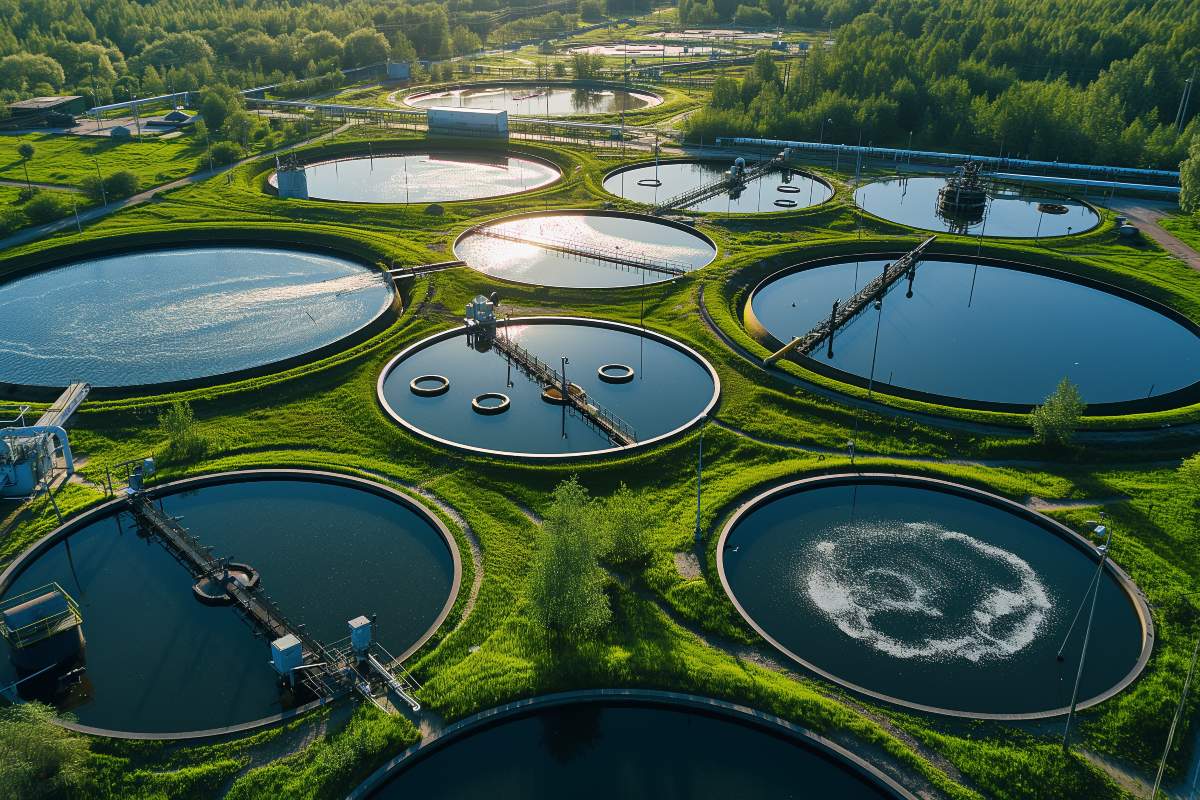
Treatment works and overflow

Works bypass, tank emptying and overflow control involve variable loading and water quality that changes through the process. Solids handling from 44 to 124 mm across the B Series covers most of what municipal water carries.

Which series suits infrastructure work

Selections below are based on the published specifications for each range.

B Series

The core municipal range: stormwater, sewer bypass, flood response and works overflow. Flows to 3,350 m³/hr with solids handling to 124 mm, plus sewage-impeller options for fibrous material.

Specifications

K Series

Clean-water supply and distribution at pressure — mains charging and elevated storage — with heads to 145 m. Not for wastewater duty.

Specifications

Before you specify

  1. 1

    For sewage and wastewater, specify the sewage-impeller option explicitly. A standard solids impeller is rated for granular material, not fibrous, and the difference shows up as a blockage rather than reduced performance.

  2. 2

    Where a pump will stand idle between events, automatic self-priming is the specification that determines whether it works when called. All eBORA models self-prime to 8.5 m without a foot valve or external vacuum pump.

  3. 3

    For permanent installations in populated areas, the sound-attenuated enclosure option is worth considering alongside the hydraulic selection.

Infrastructure pumping questions

What pump is used for sewer bypass?

The B Series with the sewage-impeller option. Standard solids impellers are rated for granular material and will rag up on the fibrous content domestic sewage carries, so the impeller specification matters more than the flow rating on this duty.

Will a flood pump start unattended after standing idle?

Automatic self-priming to 8.5 m is what decides this. All eBORA models re-prime without a foot valve or external vacuum equipment, so a unit that has stood idle between events starts when the water arrives.

What flow rate is needed for major stormwater drainage?

It depends on catchment and storm intensity, but the B500 at 3,350 m³/hr is the highest-capacity model in the range, with smaller B Series models suiting local catchments and works overflow.