Industry

Mining Pumping Solutions

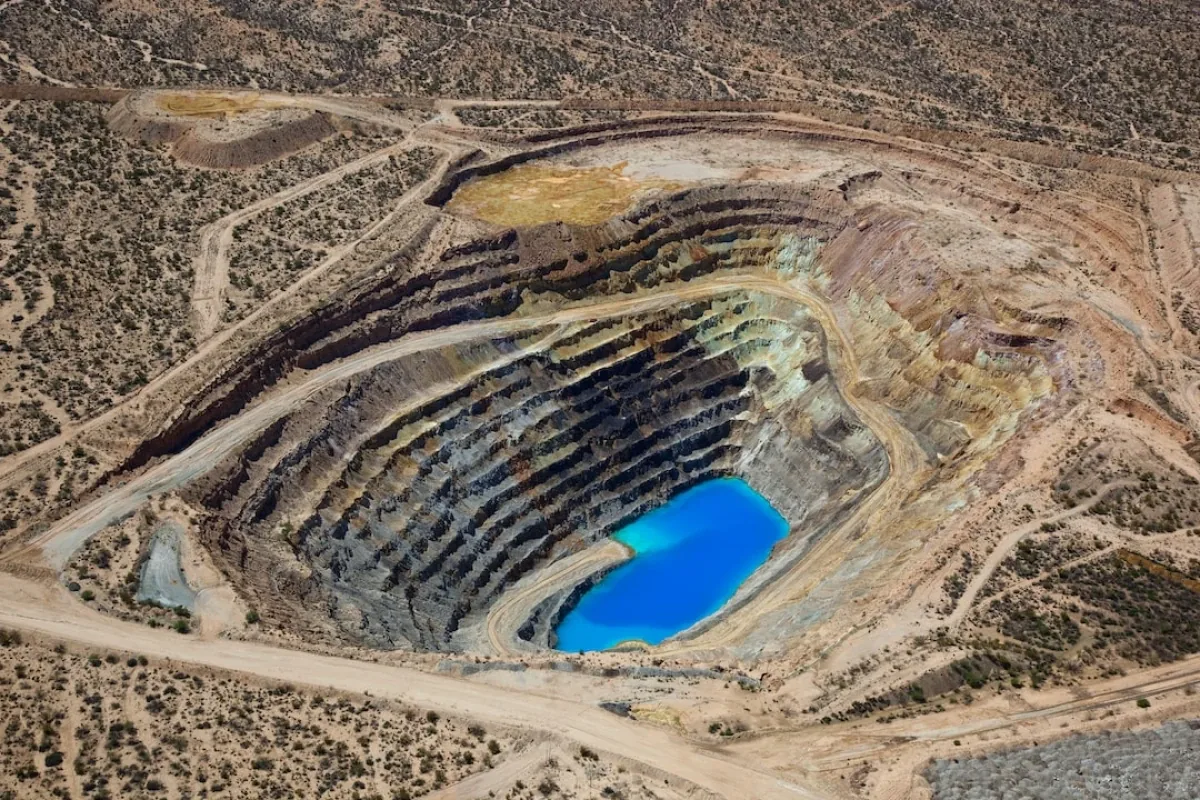
Mine dewatering splits into two distinct problems. In an open pit the challenge is volume against modest head — moving large quantities of abrasive water out of sumps and off haul roads. Underground, it inverts: comparatively modest flow has to be lifted a long vertical distance, and head becomes the constraint that decides the pump.

What mining pumping demands

Open-pit sump and haul-road duty

Pit water accumulates faster than it drains and carries the material the pit is made of. Sustained flow matters more than pressure: the B300 at 1,360 m³/hr and B400 at 2,218 m³/hr cover most working duties, with the B500 at 3,350 m³/hr for main sump work.

Lifting water out of a deep working

Underground dewatering is a head problem. The L Series reaches 295 m of total head on the L295 in a single stage, removing the intermediate stages a staged arrangement would need — and with them the extra seals, couplings and service points.

Abrasive wear

Mine water is abrasive by definition, and abrasion shortens the life of any centrifugal pump. Practical selection weighs impeller access and the availability of replaceable wear parts against peak hydraulic efficiency, because the pump that is quickest to service is the one that spends least time stopped.

Remote operation

Mine sites frequently run ahead of grid supply. Diesel packages allow dewatering to start before power infrastructure arrives, and skid or wheeled chassis options let a unit be repositioned as the working face advances.

Which series suits mining work

Selections below are based on the published specifications for each range.

B Series

Open-pit dewatering, sump duty and haul-road water control, where volume and solids tolerance decide the selection. Flows to 3,350 m³/hr, solids to 124 mm.

Specifications

L Series

Underground and deep-shaft lift. Total heads to 295 m with solids handling retained from 19 to 64 mm, which matters because mine water is never clean.

Specifications

K Series

Process and service water at pressure, where the water has already been settled or filtered. Heads to 145 m, but no solids rating — confirm the water is genuinely clean before specifying.

Specifications

Before you specify

  1. 1

    Solids handling narrows as head rises within the L Series, from 64 mm on the L250 down to 19 mm on the L110. Where the head requirement sits near the bottom of the L band and the water is coarse, check whether a B Series model meets the duty instead.

  2. 2

    For staged underground lift, confirm the total head at each stage rather than the overall depth. A single L Series unit may cover what looks at first like a two-stage installation.

  3. 3

    Where continuous running is planned, mechanical shaft sealing across the K and L Series avoids the routine adjustment that packed glands require.

Mining pumping questions

What is the difference between open-pit and underground dewatering?

Open-pit work is a volume problem at modest head, suiting the B Series at up to 3,350 m³/hr. Underground work inverts it: comparatively modest flow lifted a long vertical distance, where head decides the pump. The L Series reaches 295 m in a single stage.

Can one pump lift water out of a deep shaft without staging?

The L295 reaches 295 m of total head in a single stage at 988 m³/hr. Where a duty would otherwise need pumps in series, a single stage removes the intermediate seals, couplings and service points that staging introduces.

How does abrasive mine water affect pump selection?

Abrasion shortens the life of any centrifugal pump, so practical selection weighs impeller access and replaceable wear parts against peak hydraulic efficiency. The pump that is quickest to service is usually the one that spends least time stopped.